
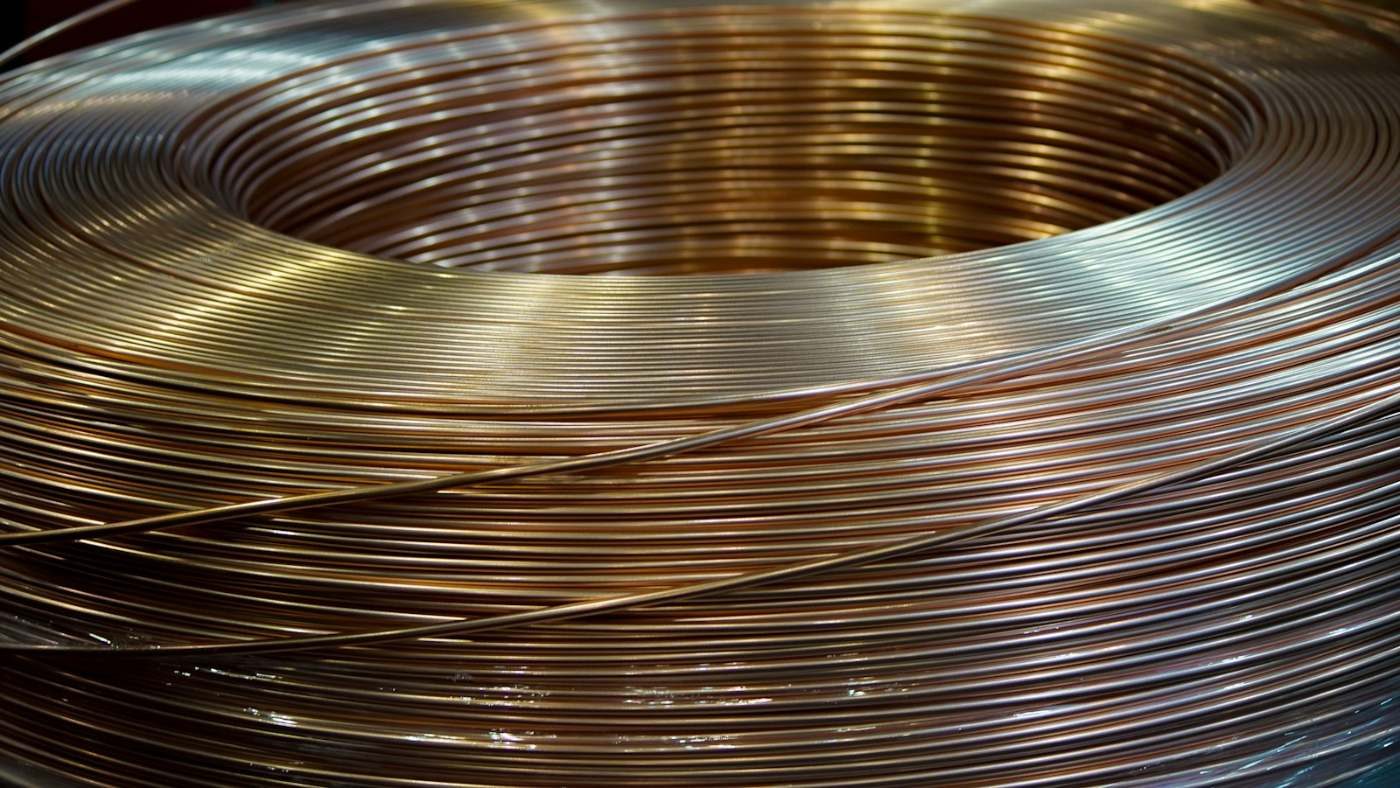
Copper cathode from the DRC
Copper cathode from verified producers in Haut-Katanga and Lualaba, exported overland to the Indian or Atlantic coast.
About copper cathode from the Democratic Republic of the Congo
The Democratic Republic of the Congo is one of the world’s largest copper producers, with most output from the Katanga copper belt in Haut-Katanga and Lualaba provinces. Many producers make cathode on site by the SX-EW process.
Like Zambia, the DRC is effectively landlocked for copper exports. Cathode moves by road or rail to Dar es Salaam, Durban or Walvis Bay, or west to the port of Lobito in Angola.
Due diligence carries extra weight here. Mineral exports are certified by the national certification body, and buyers increasingly ask for traceability back to the mine.
Typical specification
Indicative- Standard
- Grade A or standard cathode, as agreed
- Copper content
- 99.95% to 99.99%, by grade
- Process
- Mostly SX-EW
- Packing
- Strapped bundles of about 2 to 2.5 tonnes
- Transport to port
- Road or rail, typically two to four weeks
Typical specification for reference. The binding specification for each lot is the producer certificate of analysis and the contract.
Shipping and logistics
- East by road to Dar es Salaam in Tanzania
- South through Zambia to Durban or Walvis Bay
- West by rail along the Lobito corridor to Angola
- FCA at the mine or warehouse, or CIF from the port of loading
Documents supplied
Frequently asked questions
Is DRC copper cathode safe to buy?
It can be, with the right checks. We confirm the producer, the export certification, the chain of custody and every party against sanctions lists before any offer goes to a buyer.
What is the Lobito corridor?
A rail route from the Katanga copper belt west through Angola to the Atlantic port of Lobito, which shortens the journey to Europe and the Americas.
Can you supply cobalt from the DRC as well?
Yes, under the same checks. See our cobalt page for details.