
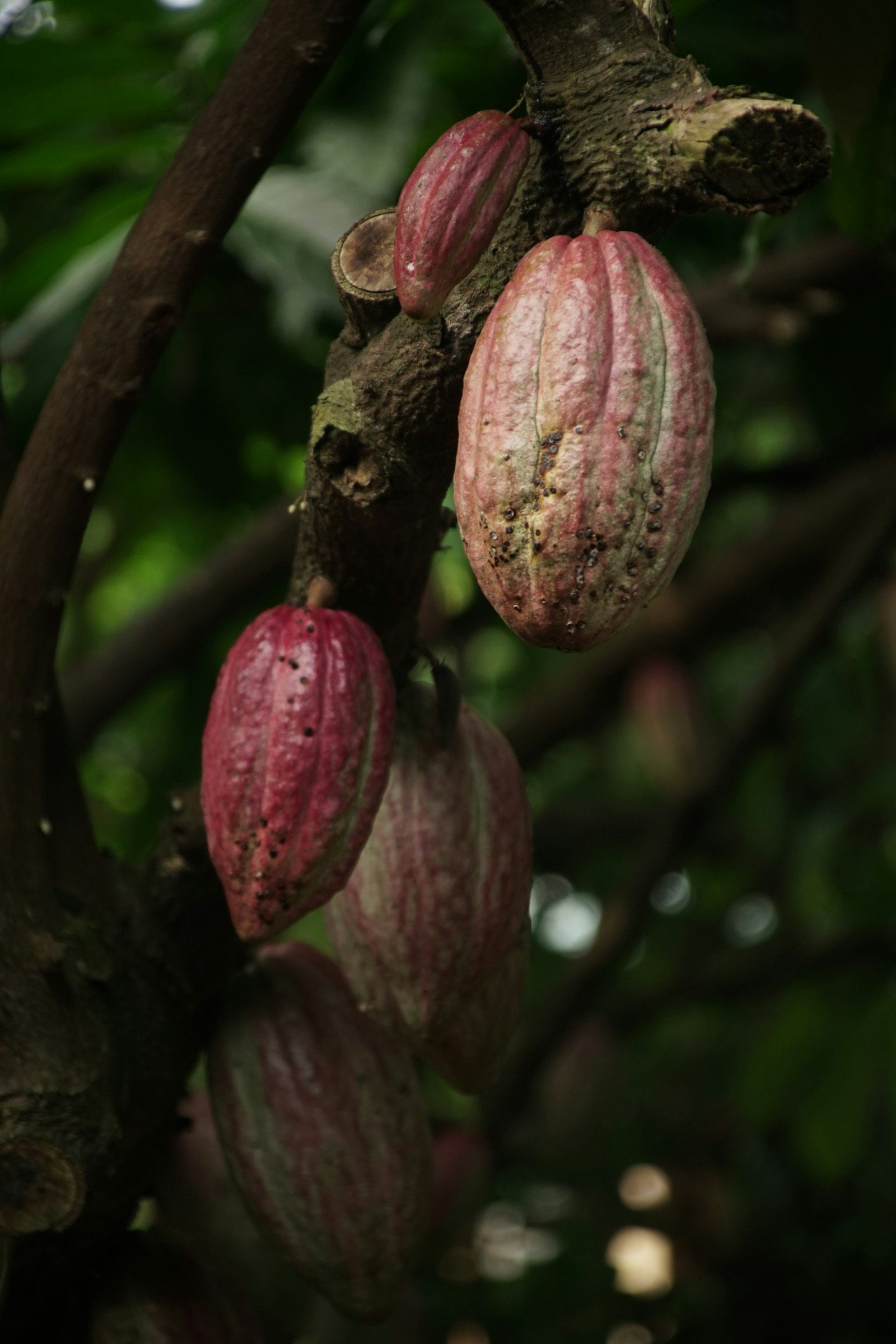
Cocoa beans
Fermented and dried cocoa beans by origin and grade, for grinders and chocolate makers.
Cocoa beans: typical specification
Indicative- Bean count
- Typically 100 beans per 100 g maximum, by grade
- Moisture
- 7.5% maximum
- Mouldy beans
- 3% maximum, by cut test
- Slaty beans
- 3% maximum, by cut test
- Packing
- Jute bags of about 62.5 to 65 kg, or bulk in containers
- Pricing basis
- Fixed, or against ICE cocoa futures plus a differential
Typical specification for reference. The binding specification is the exporter certificate of quality and the contract.
Delivery terms
Documents supplied
Origins
Inspected at loading. Paid against documents.
Independent inspection by SGS, Bureau Veritas, Intertek or an equivalent accredited surveyor, with payment by documentary letter of credit.
About cocoa beans
Cocoa beans are fermented and dried at origin, then shipped to grinders that make cocoa liquor, butter and powder. Côte d’Ivoire and Ghana grow most of the world supply.
Beans are graded by bean count, the number of beans per 100 g, and by the share of mouldy, slaty and insect-damaged beans found in a cut test.
Frequently asked questions
What is a cut test?
A sample of beans is cut lengthways and inspected. The share of mouldy, slaty, insect-damaged and germinated beans decides the grade.
Do you supply organic lots?
Yes, from producers certified to EU organic and USDA NOP standards. EU imports travel with an electronic certificate of inspection issued through TRACES.
Can I get a sample before buying?
Pre-shipment samples can usually be arranged for approval before the contract or before shipment, with the cost agreed in advance.
Related products
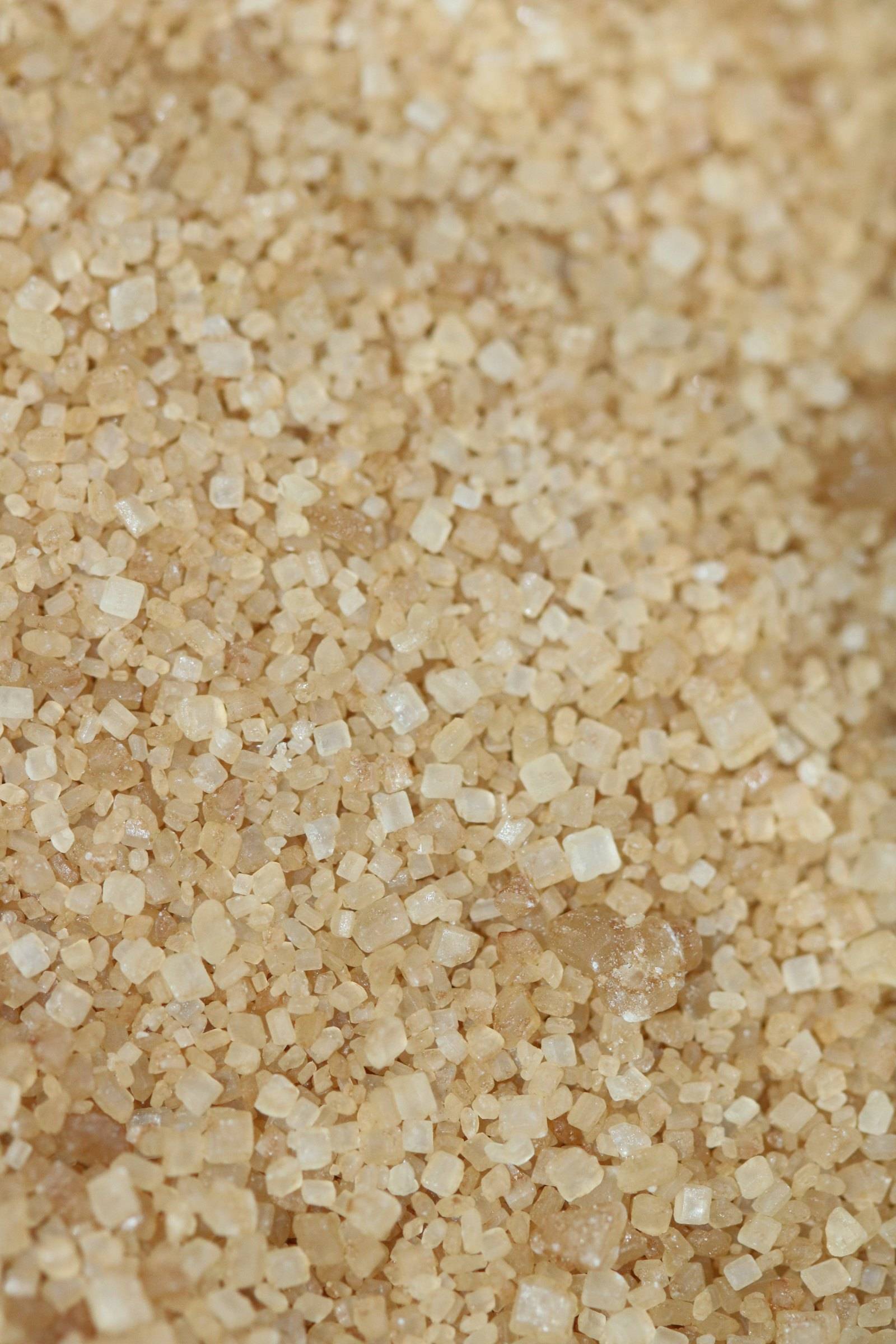 Organic cane sugarCertified EU and USDA organic cane sugar from verified South American producers, supplied FOB in big bags, with Fairtrade available.View
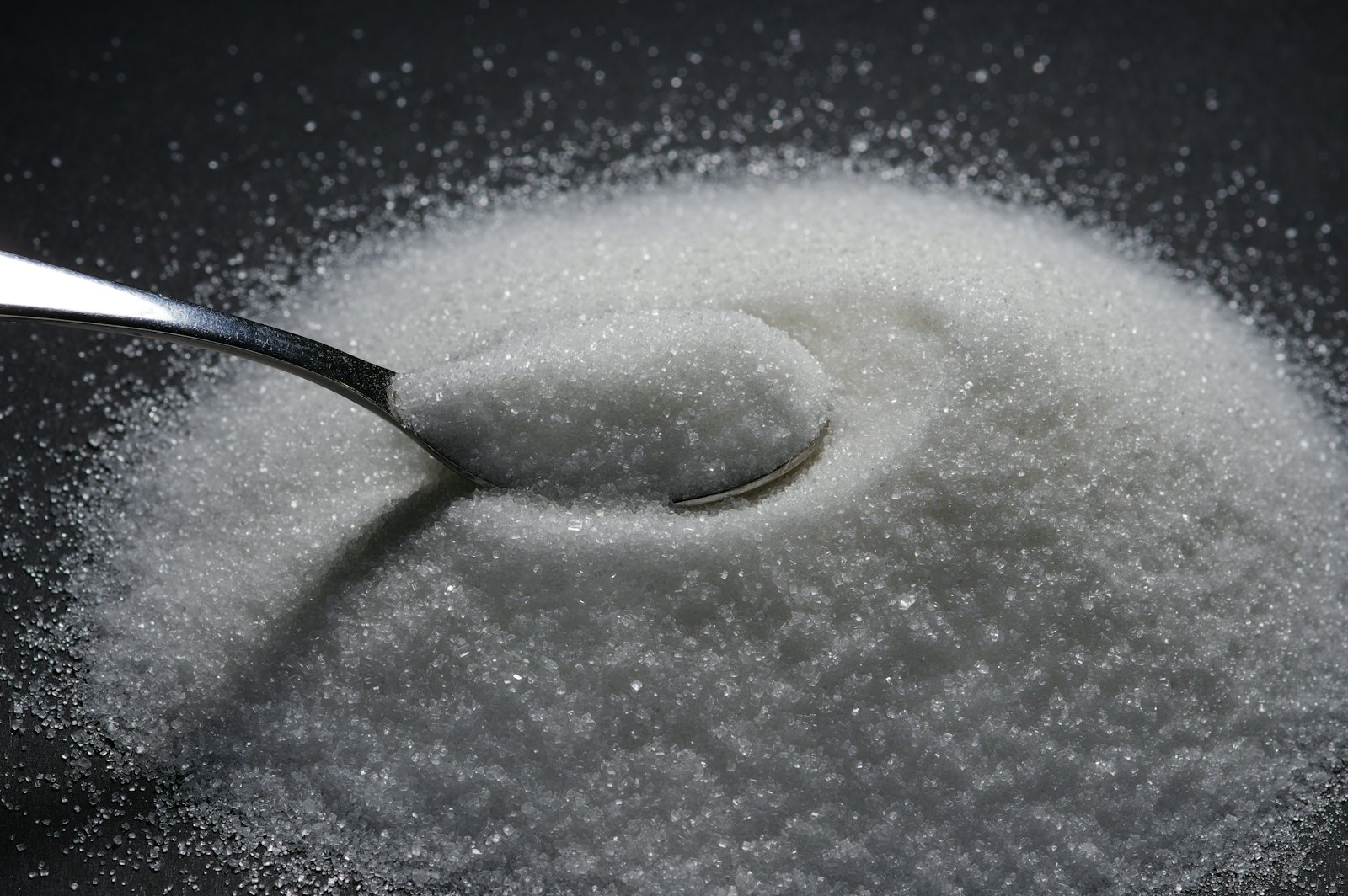 ICUMSA 45 sugarICUMSA 45 refined white cane sugar from verified mills, for food and drink manufacturers and distributors.View
 Robusta coffeeGreen Robusta coffee, screen 16 and 18, wet polished and natural, from verified exporters.View
 Cashew kernelsWhole white cashew kernels and splits from verified processors, vacuum packed and shipped in containers.View