
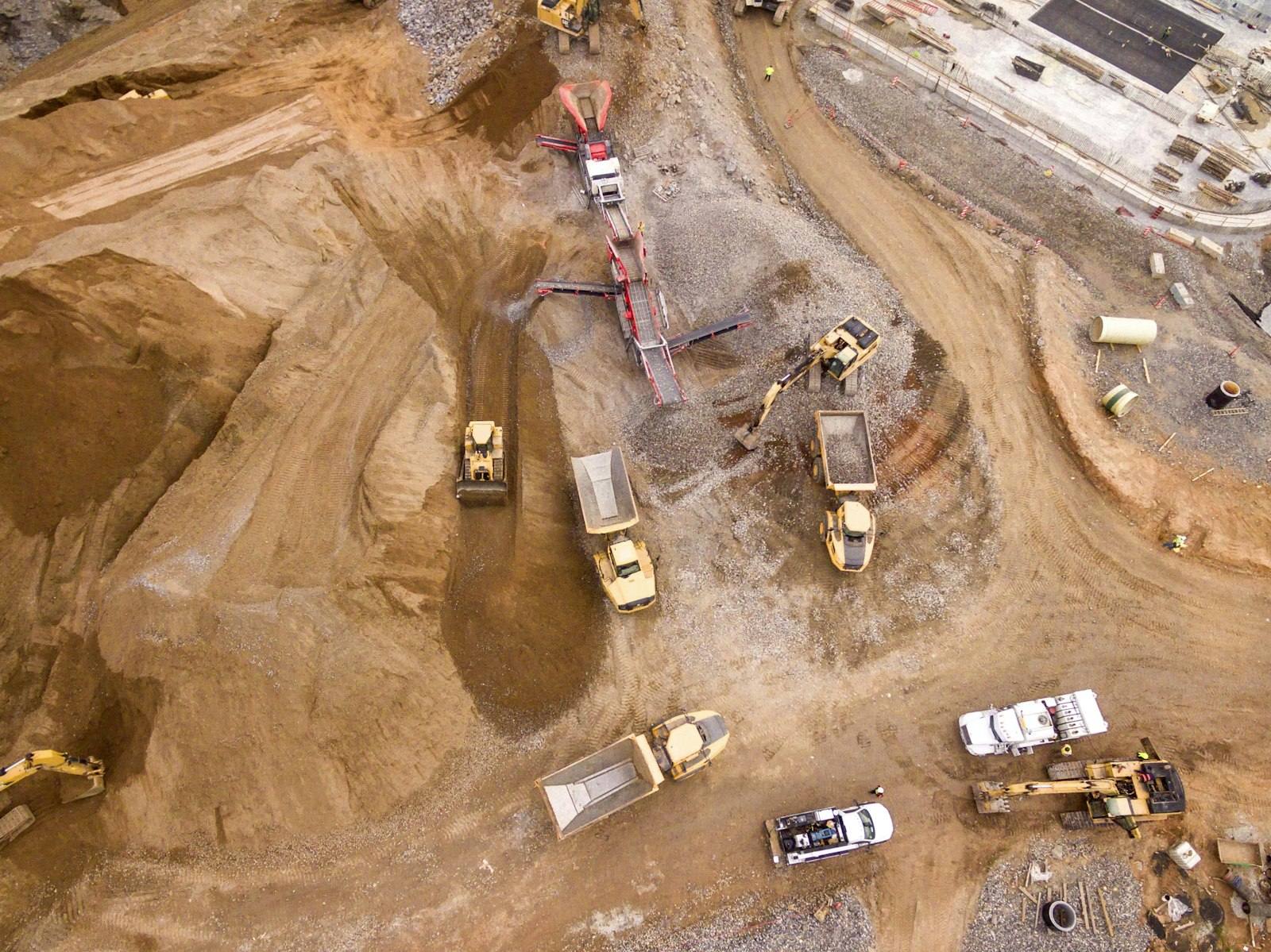
Chrome ore
Lumpy chrome ore and chrome concentrate of 40% to 46% Cr2O3 from verified mines, for ferrochrome smelters.
Chrome ore: typical specification
Indicative- Cr2O3
- Typically 40% to 46%
- Chromium to iron ratio
- Typically 1.5:1 or higher, as agreed
- Silica
- Limits as agreed
- Form
- Lumpy ore, or concentrate
- Shipment
- Bulk vessels, or bagged in containers
- Pricing basis
- Per tonne, fixed or against a published reference
Typical specification for reference. Payable content is settled on the final assay at the discharge or load port, as set out in the contract.
Delivery terms
Documents supplied
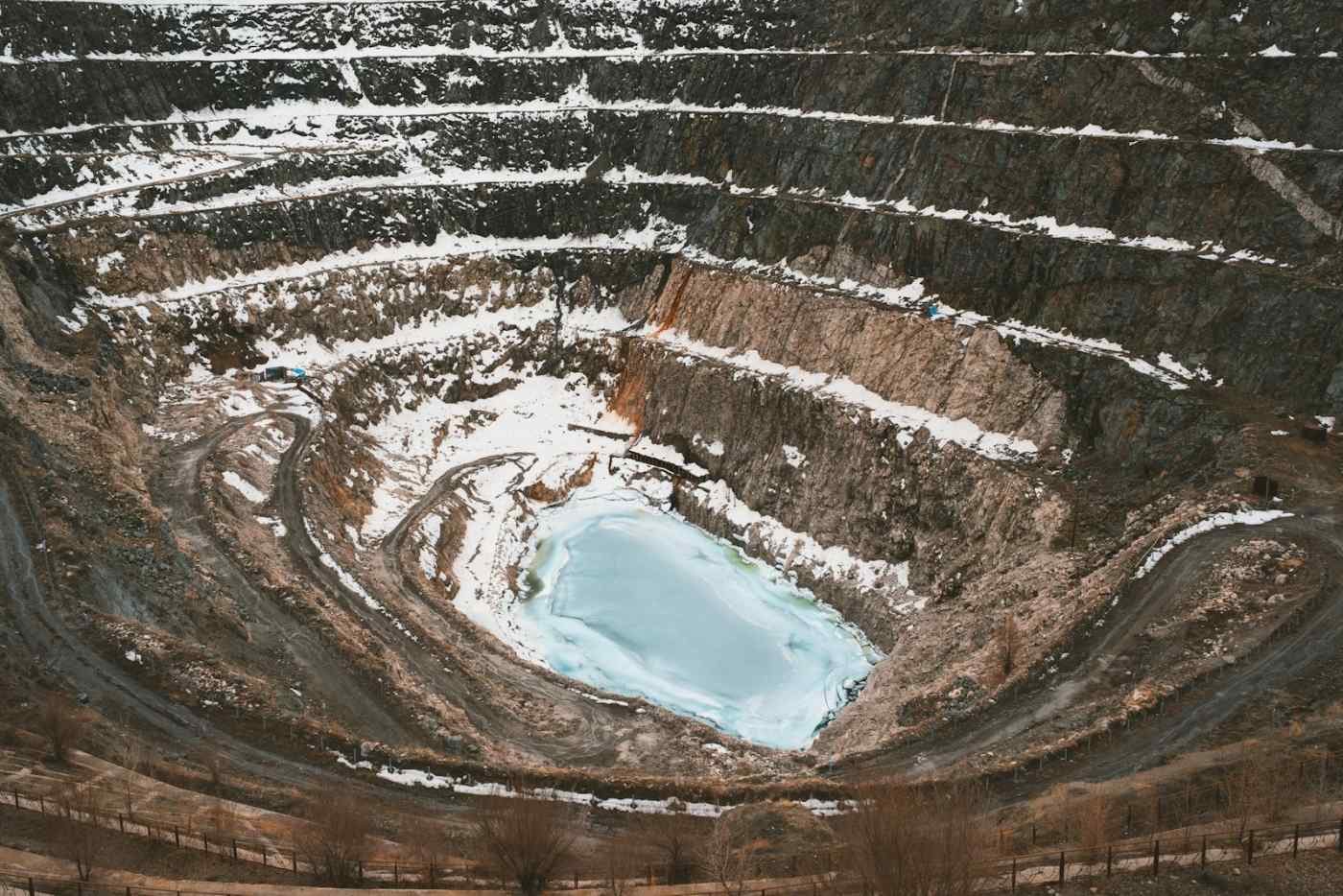
Inspected at loading. Paid against documents.
Independent inspection by SGS, Bureau Veritas, Intertek or an equivalent accredited surveyor, with payment by documentary letter of credit.
About chrome ore
Chrome ore is smelted into ferrochrome for stainless steel. Smaller quantities go into foundry sand, refractories and chemicals. South Africa is by far the largest producer.
The chromium to iron ratio matters as much as the Cr2O3 grade, because it sets the chromium content of the ferrochrome a smelter can make.
Frequently asked questions
What is UG2 concentrate?
Chrome concentrate recovered from the UG2 reef in South Africa, often as a by-product of platinum mining. It is typically around 42% Cr2O3.
Do you supply foundry and chemical grades?
Yes, on request. These need tighter limits on silica and sizing than metallurgical grades.
How is payment usually made?
By documentary letter of credit from a bank acceptable to the seller, with payment against shipping documents and the inspection certificate.
Related products
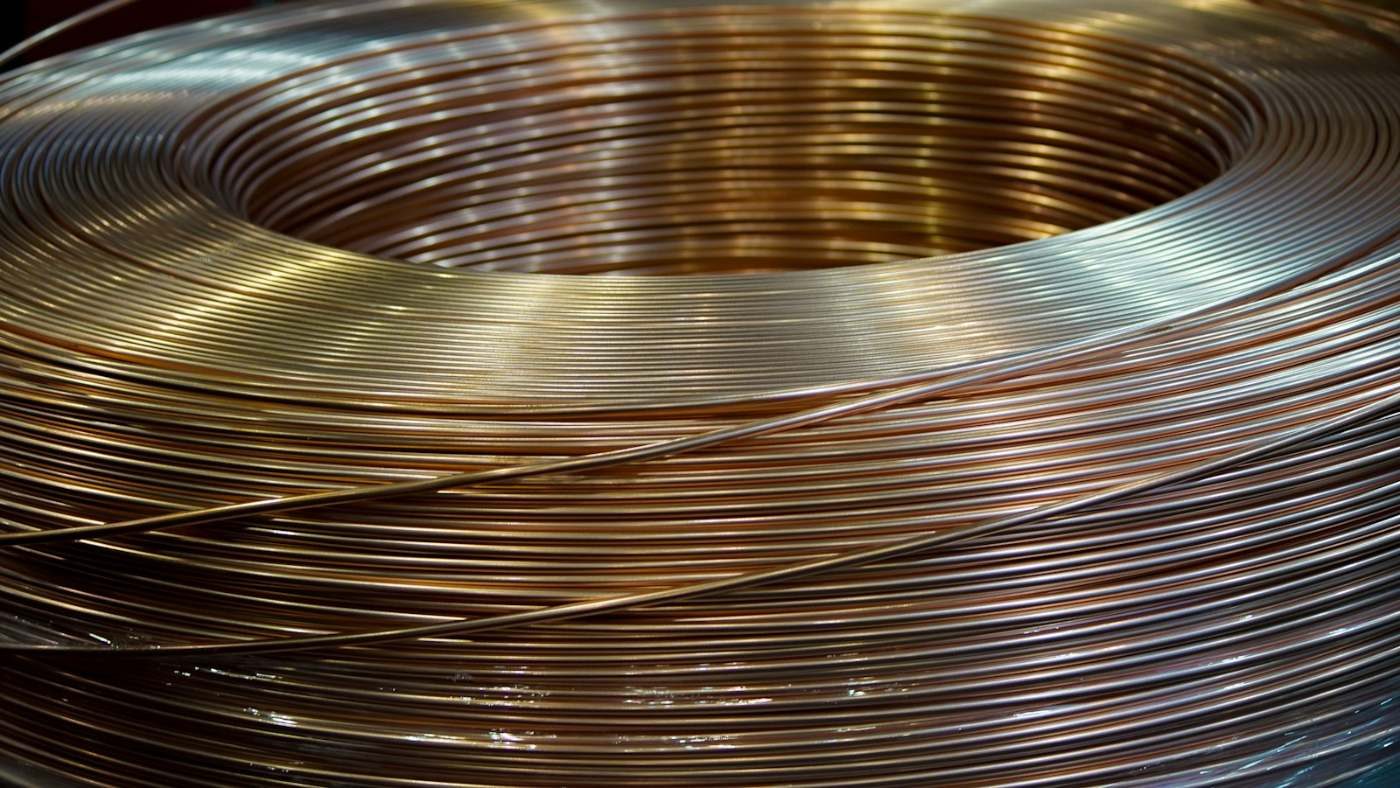 Copper cathodeLME Grade A copper cathode and equivalent, from verified producers, on spot or monthly contract terms.View
 Aluminium ingots and billetsA7 and P1020 primary aluminium ingot, and 6063 and 6061 extrusion billets, from verified smelters and title holders.View
 Zinc ingotSpecial high grade zinc ingot from verified producers, for galvanisers, die casters and alloy makers.View
 Nickel cathode and briquettesNickel cathode and briquettes of 99.8% minimum from verified producers, for stainless steel, alloys and plating.View